Food walks / Field notes
Read Nishiki Market Through Your Appetite
A guided brunch walk turns a succession of tempting counters into a more considered morning.
Read the guideThe Kyoto edition / Food, craft & culture
At the table. In the workshop.
Along the quieter path.
Start with what draws you in. Our guides explain the experience, introduce places and people to discover, and help you choose what belongs in your trip.
Find a guide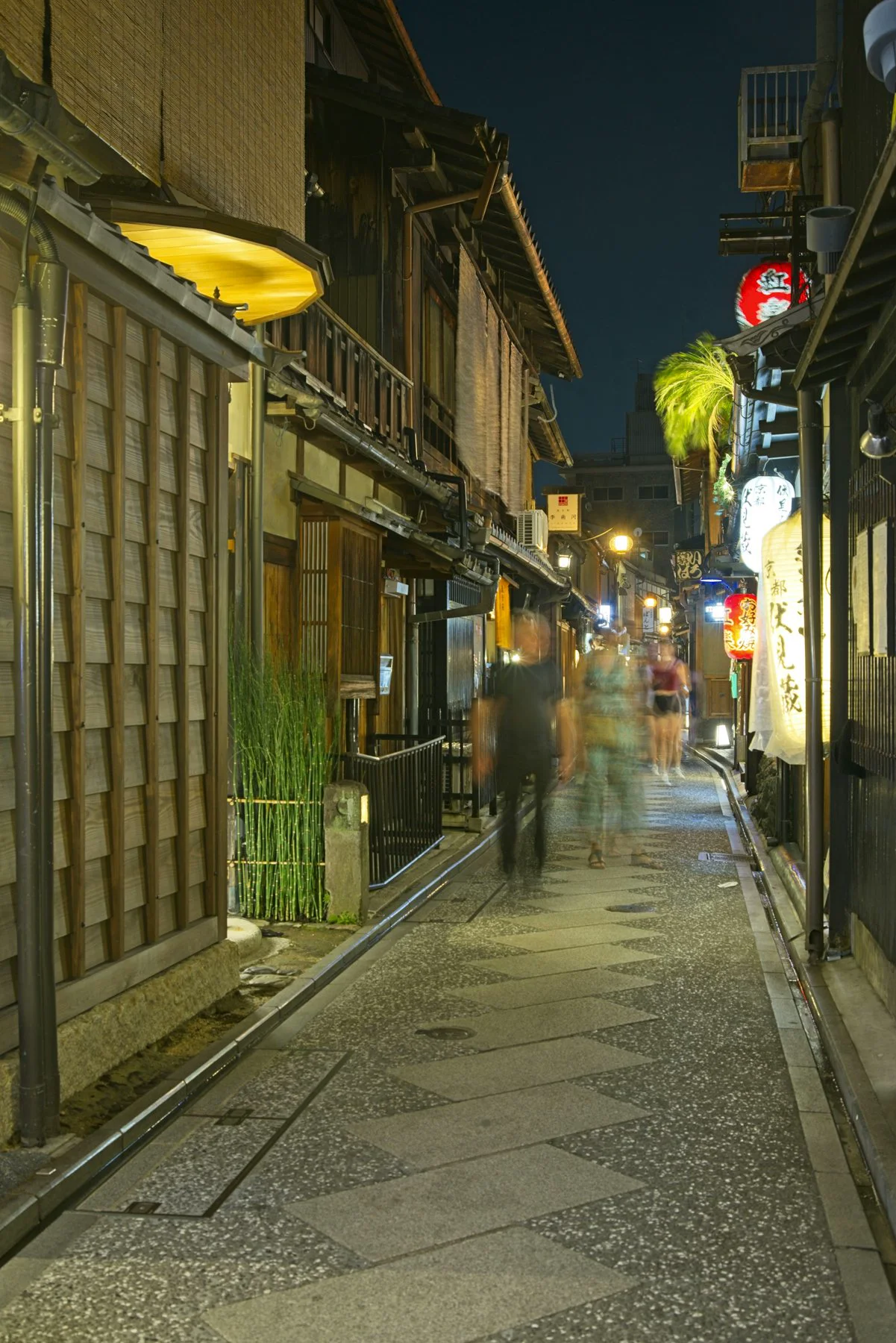
A letter from the editor
A note from the editor · Textoura
Today, Tokyo is known around the world as Japan’s capital. For more than a thousand years, Kyoto was home to the imperial court. That history lives on in its temples and gardens, its cooking, and the skills people continue to practise here.
There is much to enjoy in an experience designed for visitors. A thoughtful guide or an accessible workshop can open a door that would otherwise remain closed. But a polished package tells you little on its own. I want to know what lies behind it: who is cooking or making, what you will actually do, and how the experience connects you to this place.
Some of the things worth travelling for will barely register in a photograph. The depth of a broth. The sound of an instrument before you try it yourself. The feel of paper as it takes shape in your hands. These are pleasures that ask you to be present.
This is the Kyoto I want to introduce. Each choice should have a reason: a broth made with local water, a technique you can try, a garden that rewards a longer look. I want these notes to help you decide where to spend your time and which meal or workshop to choose when you get there. See it with your own eyes, listen, taste and take part. I hope what stays with you will be more than a beautiful image.
Historical context: Kyoto’s official travel guide ↗
01 / Food walks
A guided food walk puts the city’s markets and neighbourhood eateries in context. Taste along the way and let a guide explain what you are eating. Start with a market morning or make an evening of it in Gion; the route and included food matter as much as the number of stops.
Food walks / Field notes
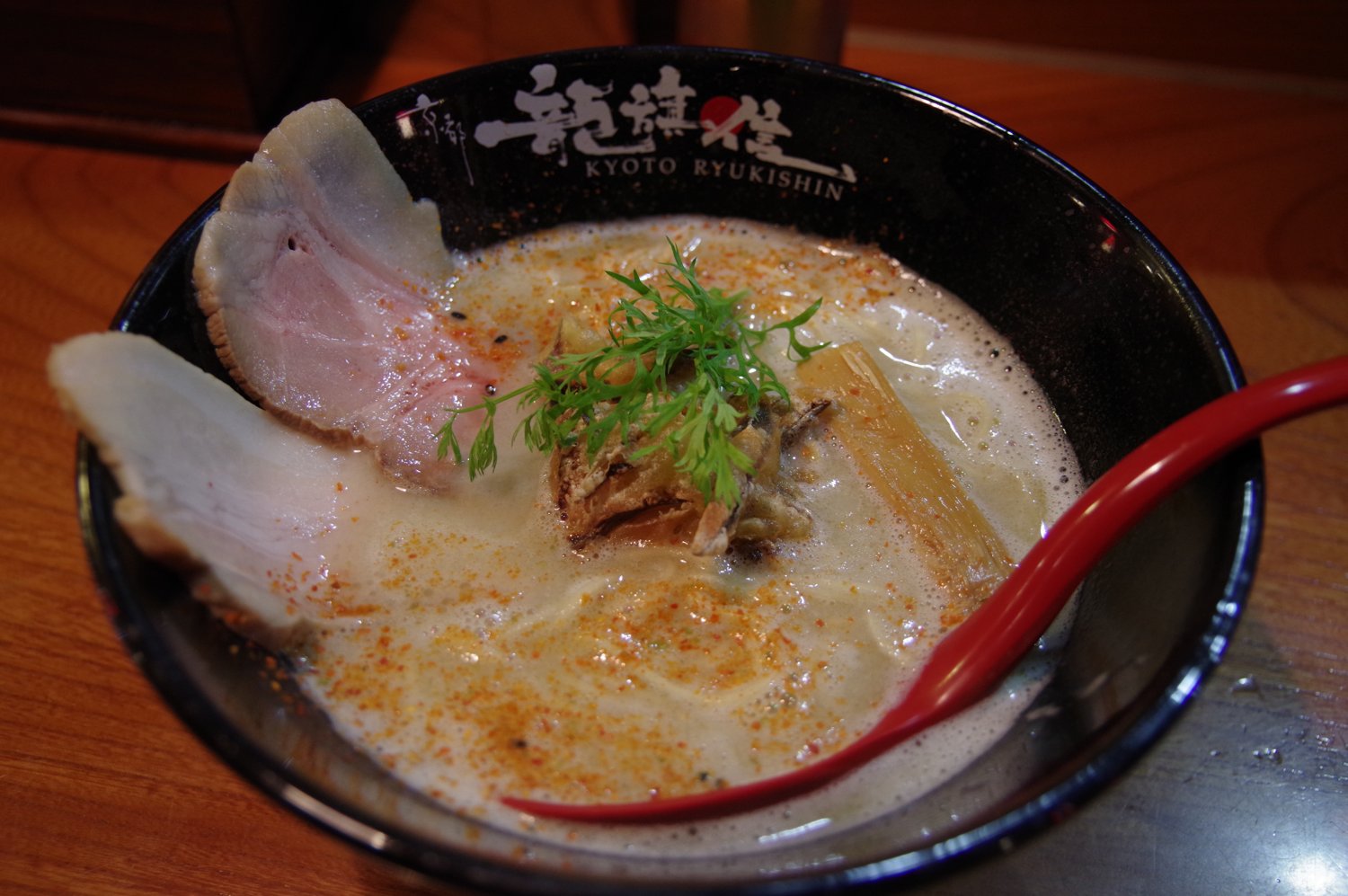
A guided brunch walk turns a succession of tempting counters into a more considered morning.
Read the guideFood walks / Field notes
Market snacks, regional dishes and a walk toward Pontocho make a sociable alternative to choosing one restaurant.
Read the guide02 / Dining
A restaurant meal lets you settle into one place. Seasonal kaiseki puts the focus on a sequence of dishes, while an informal evening can revolve around food from the grill. These notes introduce the setting and style of meal before the practical business of choosing a course or reserving.
At the table / Field notes
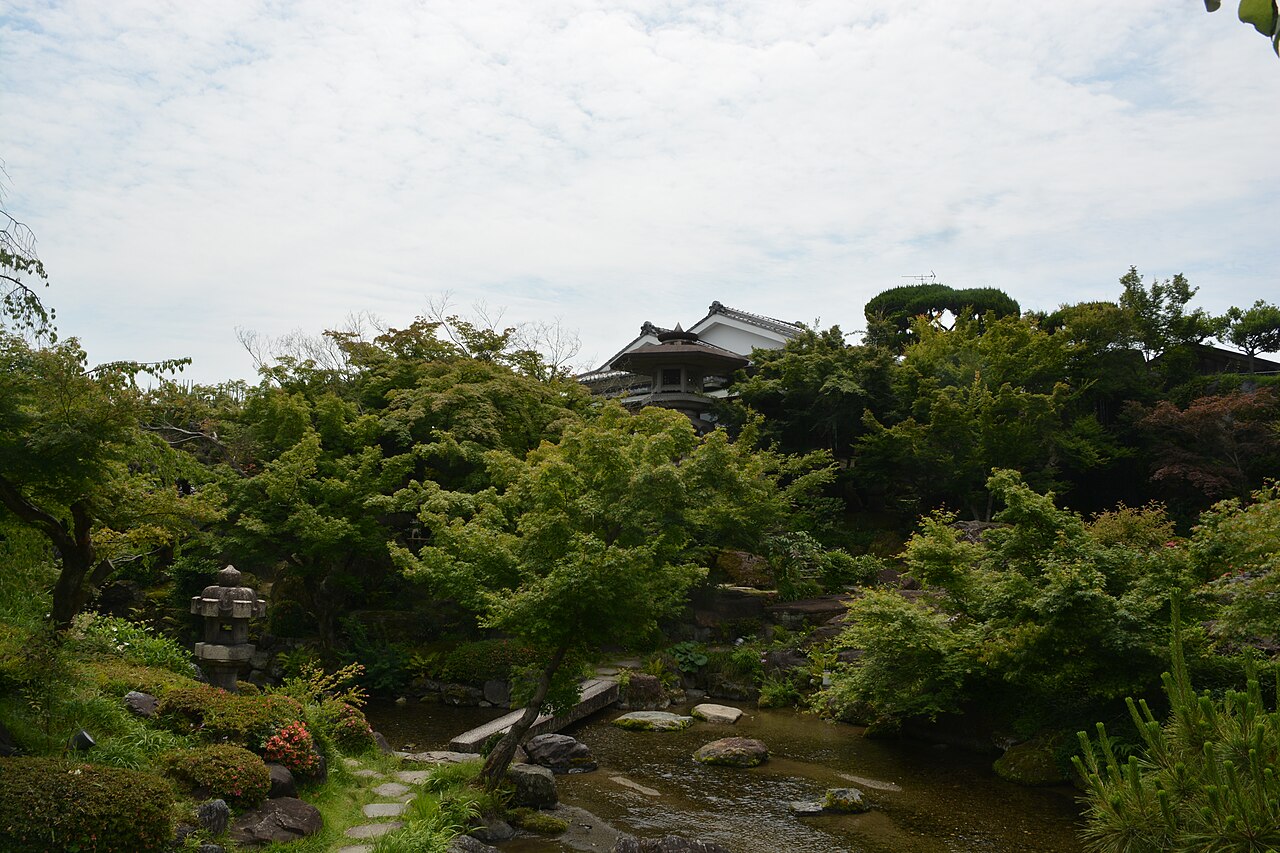
At Seiwasou in Kyoto’s Fushimi district, seasonal kaiseki and a Japanese garden give a meal room to unfold. Here is what makes the setting worth the journey.
Seasonal kaiseki in Seiwasou’s garden settingAt the table / Field notes
KYO SUSHI OOKINI offers a reason to plan a meal around Mibudera rather than defaulting to the busiest evening streets.
Read the guideAt the table / Field notes
Straw-seared fish, an iron-plate potato salad and the setting behind the red noren. A source-based guide to this Kawaramachi restaurant.
Read the guide03 / Cooking
Cooking brings you into the process: handling ingredients, trying a technique and eating what you make. A bento lesson brings several dishes together in a lunch box; a home cooking lesson can put vegetables and tofu at the centre of the table. Choose the food you want to understand, then check how much you will make yourself.
Cooking / Field notes
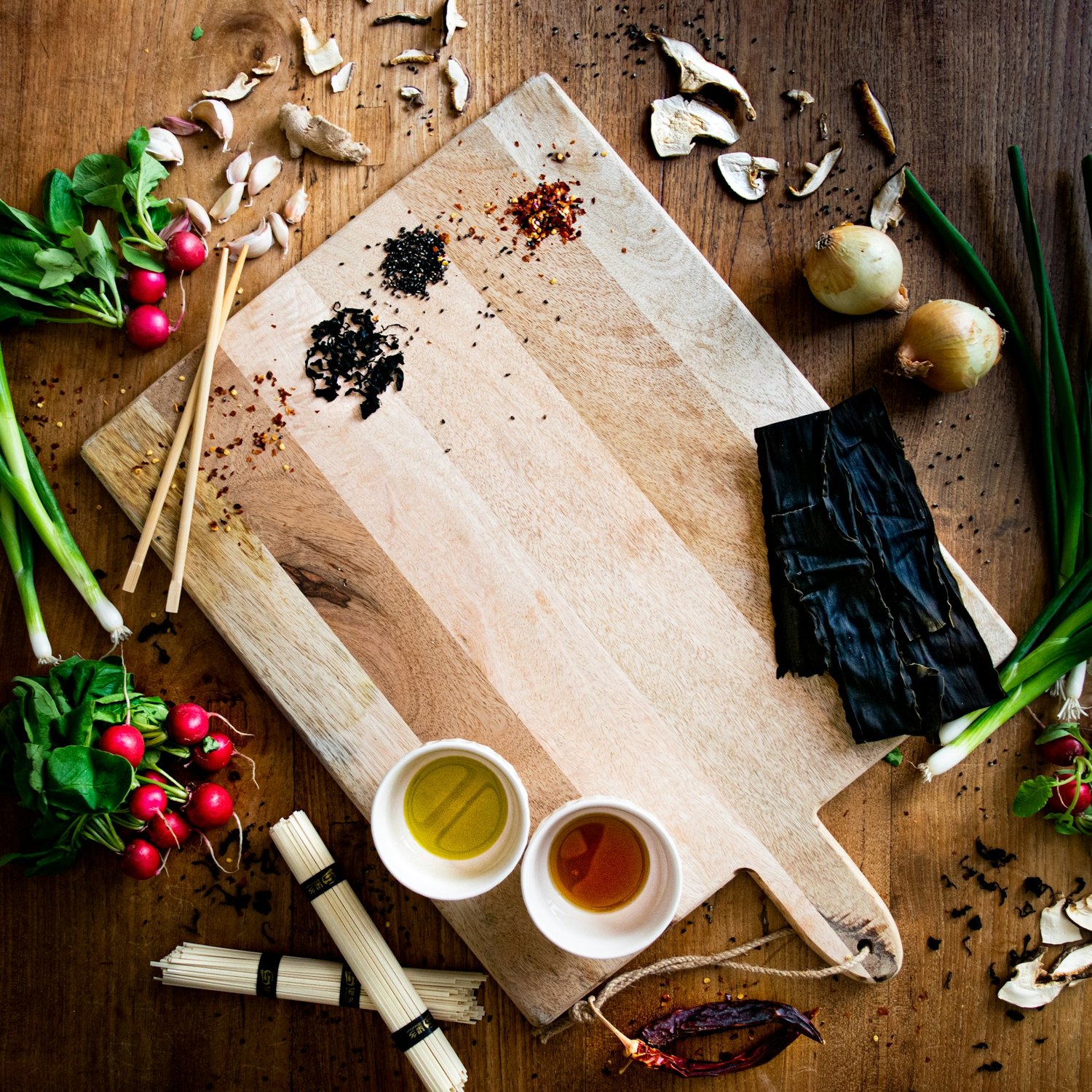
At Cooking Sun in Kyoto, an English-language bento class turns a morning of Japanese home cooking into lunch, recipes and skills to bring home.
An English-language bento class at Cooking SunCooking / Field notes
A private shojin-inspired lesson makes vegetables and tofu the starting point for a fuller understanding of a meal.
Read the guide04 / Craft
A workshop gives a material your full attention. Paper, cloth, metal and clay ask for different movements and different amounts of time. The pleasure is in trying the process as well as taking something away. Our guides explain what you will make and what to check about finishing or collecting it.
Craft / Field notes
Make the paper itself or turn it into a small light: two ways to bring a thoughtful, handmade object home.
Read the guideCraft / Field notes
Two Kyoto textile workshops, two ways to make a pattern: explore roketsu wax-resist dyeing and a sekka shibori furoshiki class, then choose your way into the craft.
Compare Kyoto’s roketsu and shibori workshops05 / Tea & sake
Tea sessions and sake tastings offer two distinct ways to slow down. One may centre on preparing and serving a bowl; another on comparing flavours and understanding brewing. Begin with the kind of experience you want, then consider the setting, language and whether the session is private or shared.
Tea & sake / Field notes
A whisk, a bowl and a practiced host: two Kyoto tearooms make the preparation of matcha an experience in its own right.
Read the guideTea & sake / Field notes
Water, brewing history and a guided tasting give Kyoto’s sake district a story that lasts longer than a souvenir bottle.
Read the guide06 / Culture
A performance becomes a different experience when someone explains it, or invites you to try. Kyoto’s cultural sessions range from music and movement to arranging flowers with an instructor who helps you see the composition differently. Read about the practice first, then choose how much you want to watch, ask and take part.
Culture / Field notes
A musical phrase or a carefully placed movement can turn watching into understanding. Two Kyoto introductions invite you to try.
Read the guideCulture / Field notes
An ikebana lesson gives garden lovers a more intimate task: make a composition, question each decision, and look again.
Read the guide07 / Gardens & nature
A garden walk and a wooded hike reveal different sides of Kyoto. A guide can explain the composition of a garden or help put a shrine into its wider landscape. These outings are worth choosing for their pace as well as their destination; walking distance, steps and travel time shape the day.
Outside / Field notes
Nanzen-ji’s gardens turn composition into meaning. A landscape designer can connect the physical arrangement with the ideas behind it.
Read the guideOutside / Field notes
Forest trails near Fushimi Inari and a bicycle route through northwestern neighborhoods give the city two distinctly active forms.
Read the guideReady to narrow it down?
Explore all 68 experiences by interest, area, time and approximate budget. Save a shortlist on this device, then read the practical details before you book.
Browse all 68 experiences What to check before bookingOur guides are based on documented sources, not personal visits. Provider links are currently untracked and earn no commission. Read our editorial approach.
